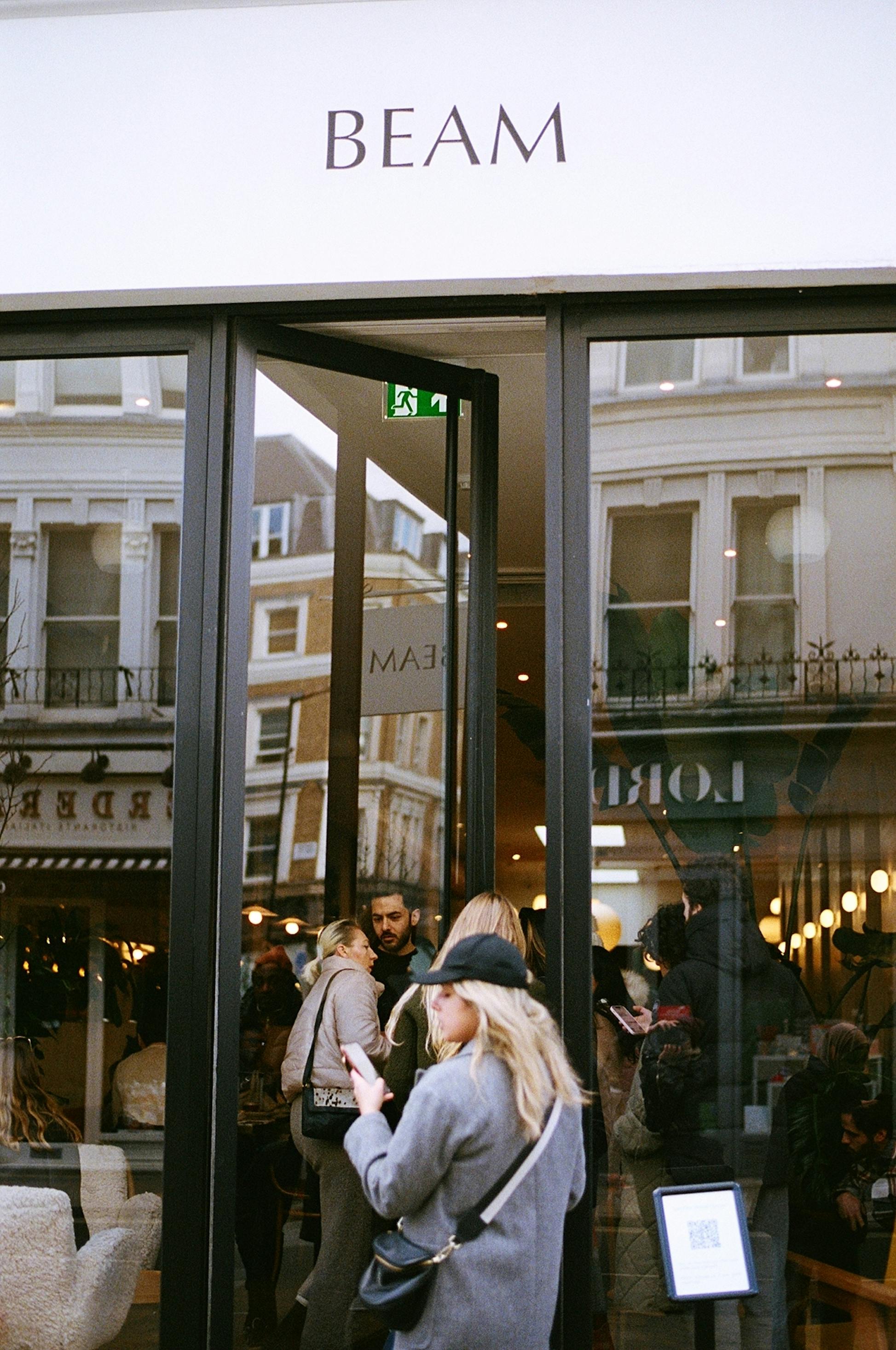

"The world is full of organizations doing meaningful work that no one knows about, because their brand is telling the wrong story, or no story at all."
This is what brand identity for mission-driven organizations is really about. Not summarizing your history in a tagline, but building a visual identity so coherent and intentional that people understand who you are and what you stand for the moment they encounter you — before they've read a word.
Story Is Not a Summary
When most organizations talk about "telling their story," they mean writing an About page. And that's part of it. But brand storytelling is concerned with something deeper: the emotional truth that your story communicates.
Consider what each of these design choices says without a word of explanation:
A serif typeface with wide spacing tells a story of heritage, permanence, and care for craft.
Muted, earthy tones tell a story of groundedness, honesty, and simplicity.
Photography of real people in real environments tells a story of community and authenticity.
Generous white space tells a story of confidence — that you don't need to fill every inch to prove your value.
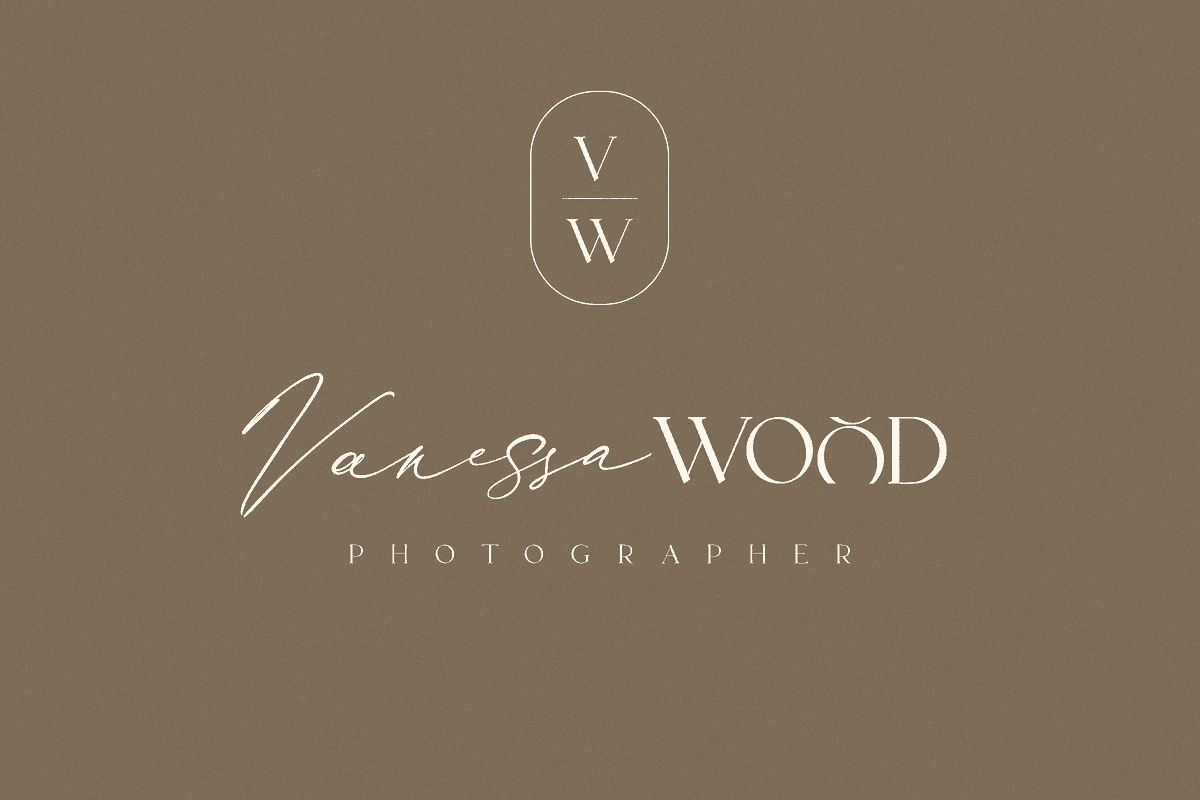
None of those organizations said anything. But each one communicated something unmistakable.
Brand design is the medium through which an organization's story becomes visible. Done well, it doesn't illustrate the story — it is the story, expressed in a visual language that your audience receives before their rational mind has a chance to weigh in.
The Elements of a Brand Story
Before a brand can tell a story visually, the story itself needs to be clear. This means getting honest about a few core questions.
Who are you, really? Not your services. Not your organizational history. Who are you at the level of conviction and character? What do you believe that most organizations in your space don't? What posture do you bring to your work? A nonprofit might name the specific human problem they exist to solve and why it matters to them personally. A small business might name the values that shape every customer interaction. A ministry might articulate the commitments that inform everything from how they preach to how they decorate. The answer looks different for every organization — but without it, design has nothing to hold onto.
Who are you for? Every strong brand story is told to someone specific. The visual choices that resonate with a 28-year-old creative professional are different from those that resonate with a 55-year-old executive director. Understanding your audience at a deep level — what they value, what they're afraid of, what they aspire to — is what allows your brand to speak in a language they actually receive.
What do you want people to feel? This question is often skipped in favor of what you want people to know. But brand design operates primarily in the domain of feeling. Before the rational mind engages, the emotional one has already made an assessment. What is the experience you want people to have when they encounter your brand? Inspired? Safe? Challenged? Seen? Confident? Invited? Name it. Design toward it.
What is the arc? Every good story has movement. For a brand, the arc looks like this: here is where your audience is now — the problem, the uncertainty, the need — and here is where your organization meets them, and what becomes possible as a result.
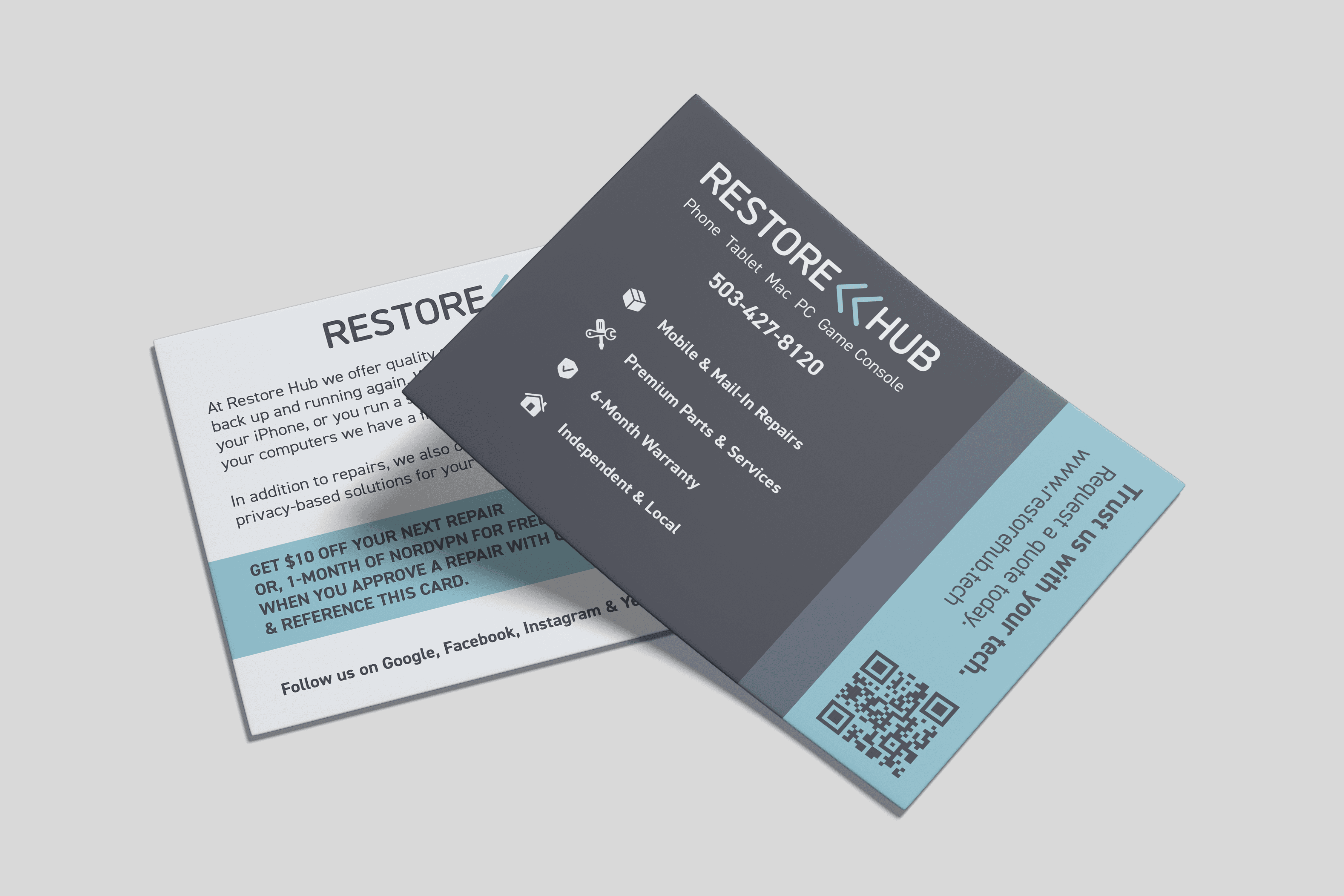
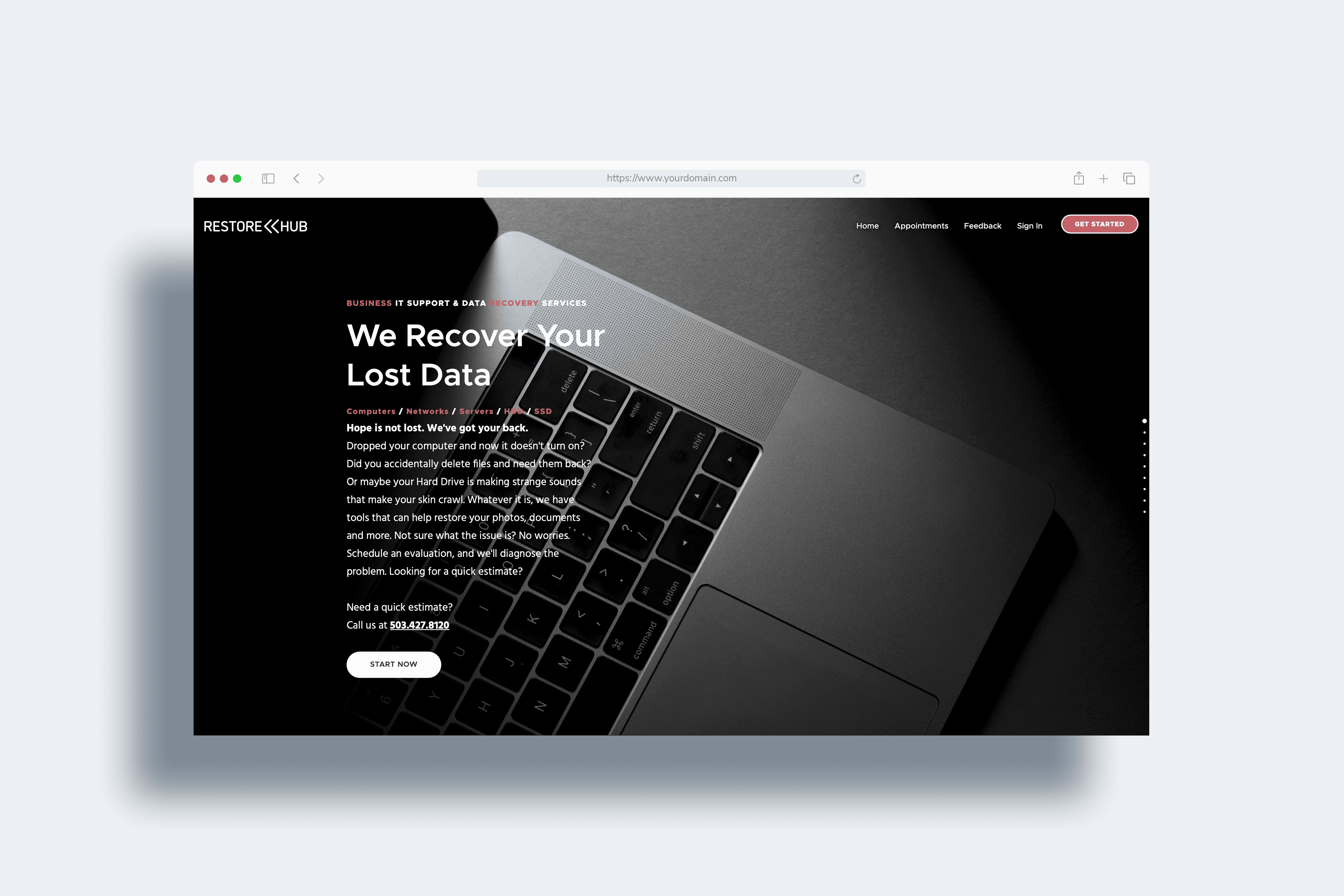
That arc can be subtle, but it needs to be present. When we built Restore Hub — a technology repair shop in Sandy, Oregon — the arc was simple and concrete: their customers were frustrated, driving an hour toward Portland because no local shop could handle the full range of repairs with competence and care. The brand we built communicated calm confidence and genuine reliability from the first touchpoint. Within the first year, customers were driving over an hour in the other direction to get there and regularly asked if Restore Hub was a franchise. That's what a clear arc made visible looks like — not in words, but in design. View the Case Study here.
A brand that only describes itself without pointing toward transformation is a monologue, not a story.
How Design Tells the Story
Once the story is clear, design becomes the process of translating it into visual decisions. Here's how that works in practice.
Logo and mark. The mark isn't just a symbol — it's the crystallization of the brand story into a single form. A well-designed logo carries the organization's character in its shape, weight, and proportions. It doesn't need to be literal to be true.
Color. Color communicates before anything else. Warm tones suggest hospitality and approachability. Cool tones suggest clarity and precision. Muted palettes suggest restraint and timelessness. Saturated palettes suggest energy and boldness. Choose colors that belong to your story, not colors that merely look appealing.
Typography. Type has personality. The typeface choices you make communicate something about your character before anyone reads the words set in them. A brand story about legacy and craft calls for different typography than one about innovation and agility — and getting that wrong quietly undermines everything else.
Imagery. The people, places, and moments you photograph or illustrate define the world your brand inhabits. They tell the audience who belongs in this story, and whether they are one of those people.
Verbal identity. The words you consistently use — your brand voice, your naming conventions, your recurring phrases — are part of the story too. Visual and verbal identity should reinforce each other, not contradict each other. When they're in tension, audiences feel it, even if they can't name why.
When Story and Design Align
The organizations whose brands resonate most deeply are the ones where the story and the design are saying the same thing. Where the logo, the colors, the photography, the language, and the values are all expressions of a single, coherent identity.
This doesn't happen by accident. It's the result of doing the hard work of clarifying the story before making design decisions — and then holding every decision accountable to that story.
This is true for nonprofits whose brand needs to communicate both competence and compassion to earn donor trust. It's true for small businesses trying to stand out in categories where everyone looks the same. It's true for faith-based and mission-driven organizations whose work carries a weight that deserves to be communicated with equal care. Nonprofit branding, ministry branding, small business branding — the category changes, but the principle doesn't: the story has to come first.
The world is full of organizations doing meaningful work that no one knows about, because their brand is telling the wrong story, or no story at all.
Yours doesn't have to be one of them.
Horsfall Design Co. builds visual identities that tell the story of who you are — with clarity, craft, and intention. Book a fit-check call to start the conversation.
Check out our FAQ for some answers to common questions or ask us directly via our contact page!
Photo by Yelena from Pexels
Let’s keep in touch.
Discover more about high-performance web design. Follow us on Twitter and Instagram.

